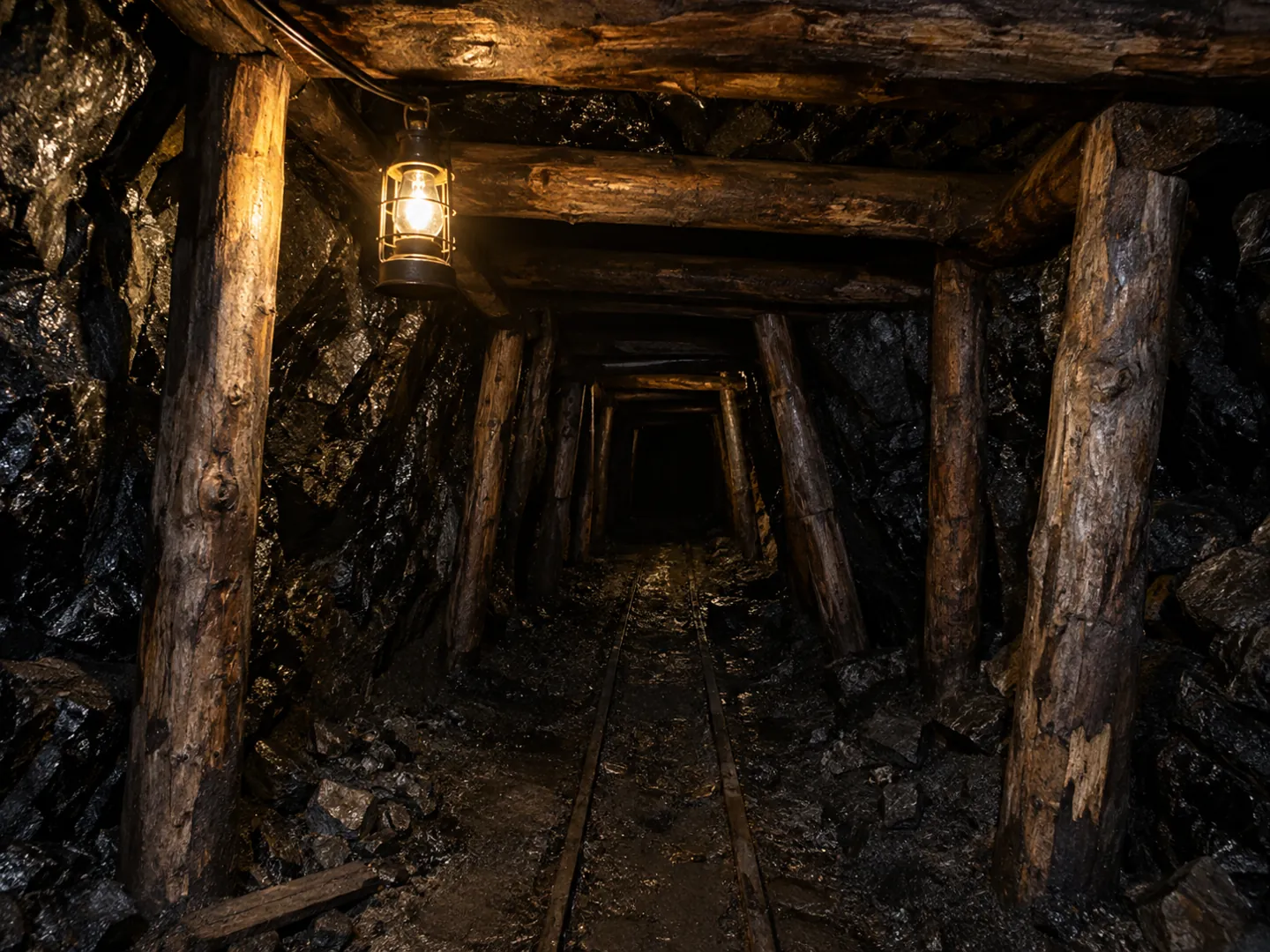
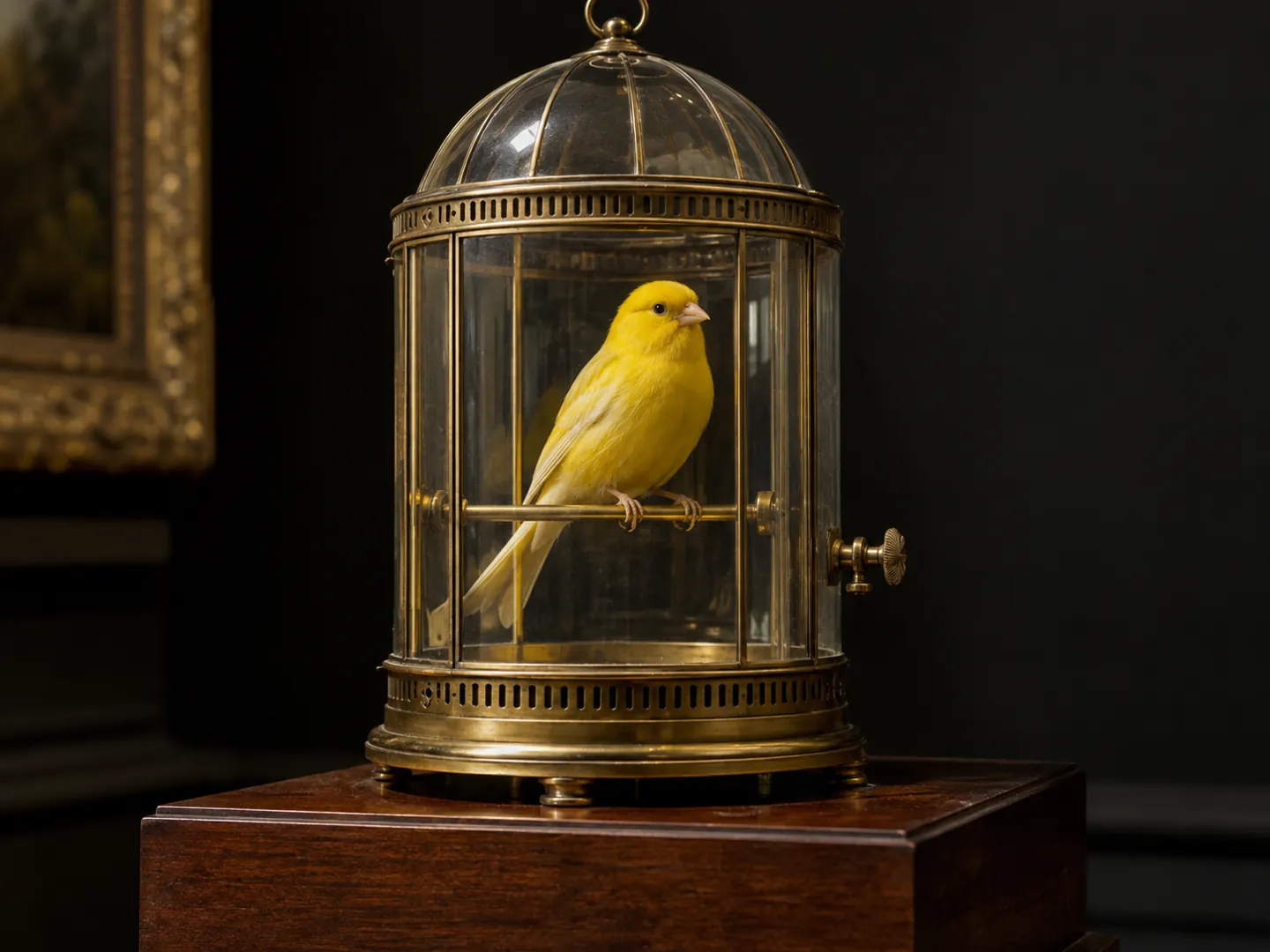
Miners called the dangerous mixtures damps. From the early 1800s they read them with flames, wire gauze and small birds, until electronic detectors took over. Britain only ended the use of canaries in December 1986.
Pick a method to see how it worked. The bar shows how much the method relied on judgement by eye rather than a reading.
Drawn from museum collections and published histories of mine safety.
TWO NUMBERS WORTH KNOWING
A narrow danger zone, and a late farewell.
One figure on when firedamp explodes, one on how long canaries stayed underground.
5–15%
Concentration at which firedamp explodes
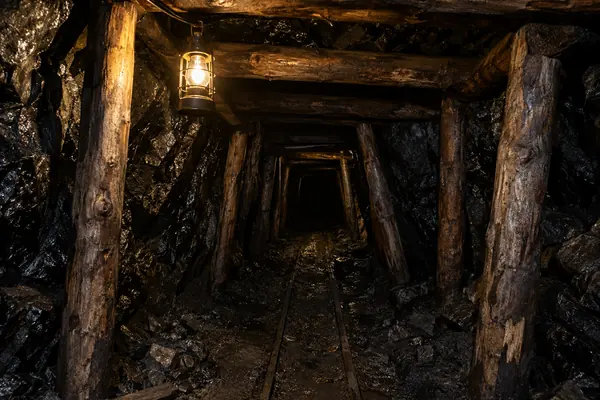
Firedamp is mostly methane, a highly flammable gas that explodes when its concentration reaches 5% to 15%. At 25% it can cause asphyxiation.
FIREDAMP · METHANE
1986
Year canaries were outlawed in coal mines
Britain officially outlawed canaries in coal mines in December 1986, replacing them with electronic gas detectors that give digital readings.
CANARIES · BRITAIN
The gauze safety lamp was first tested underground on 9 January 1816 at Hebburn Colliery, four years after an explosion at Felling Colliery killed 92 men and boys.
INSIDE THE SAFETY LAMP
Light without the spark.
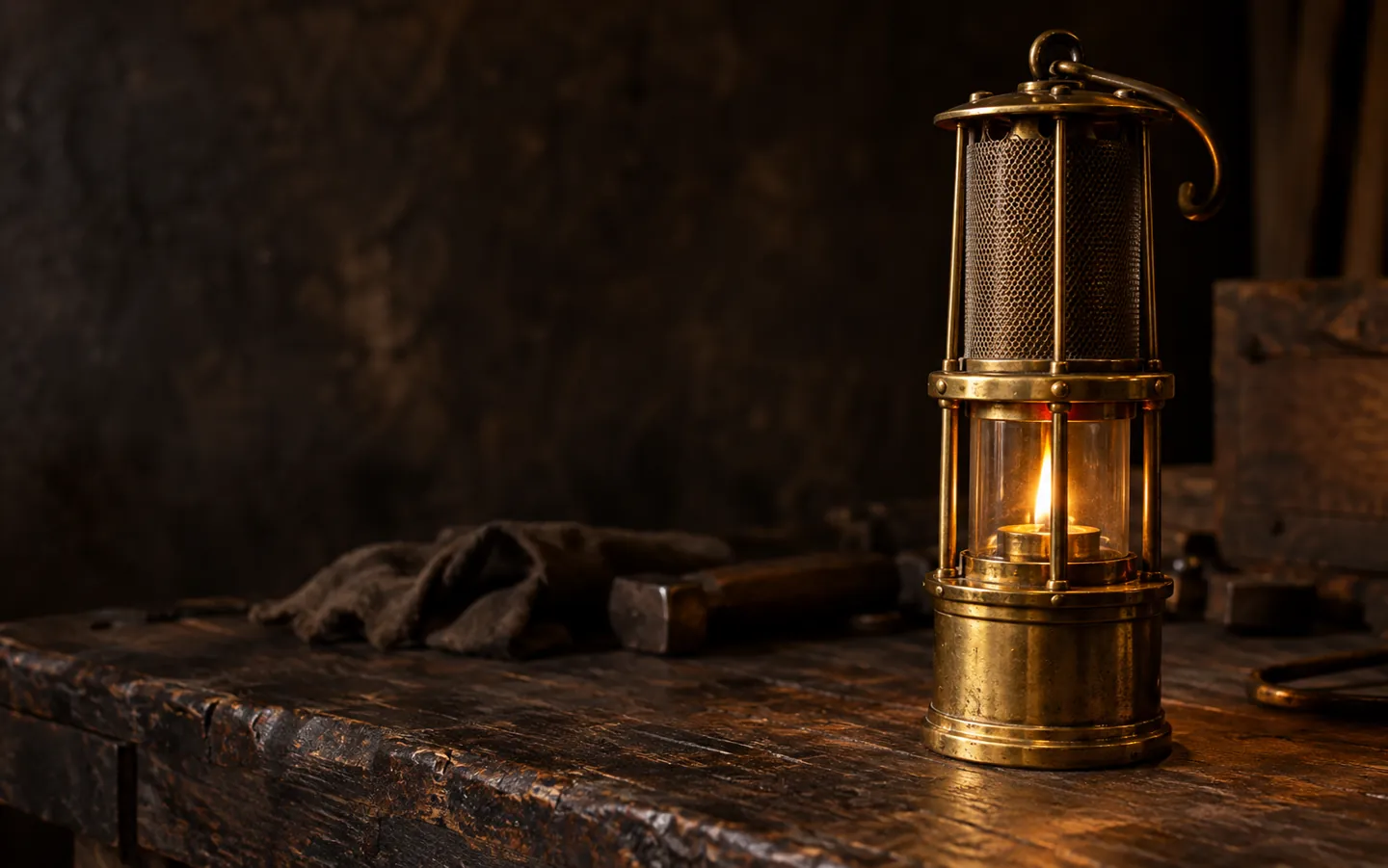
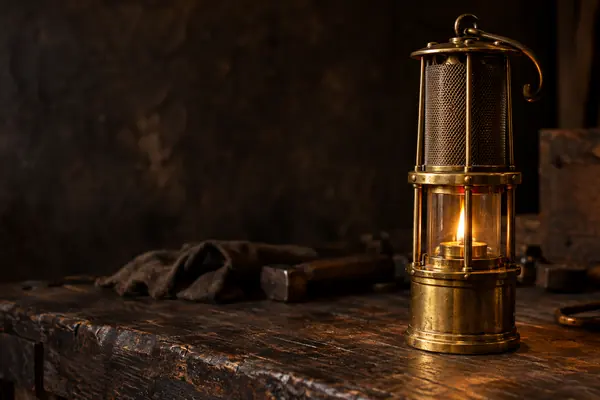
The flame safety lamp solved a deadly problem: miners needed light, but open flames ignited firedamp seeping from the coal.
Cool the flame
Metal gauze absorbed the flame's heat, so a flame reaching the gauze failed to pass through and the mine air was not ignited.
Watch the flame
Firedamp drawn into the lamp made the flame burn brighter, a built-in warning.
Refine the mesh
The first mesh had 784 holes per square inch. In 1924 a committee recommended 400, giving 16% to 32% more light.
Hand over to electric
Sealed electric lamps took over lighting, with 294,593 in use in Britain by 1922. Flame lamps stayed on for gas testing.
AI-generated image, not a photograph of a real person or place.AI-generated image, not a photograph of a real person or place.
THE DAMPS
Why miners named their gases.
Damp may come from the German Dampf, meaning steam or vapour. Firedamp is mostly methane. Blackdamp is carbon dioxide and nitrogen with no oxygen, and can suffocate. Whitedamp is air containing carbon monoxide, toxic even at low concentrations.
Stinkdamp carries hydrogen sulphide, named for its rotten egg smell. Afterdamp forms after an explosion and contains carbon monoxide, carbon dioxide and nitrogen.
Questions
Questions people ask
Why were canaries taken into coal mines?
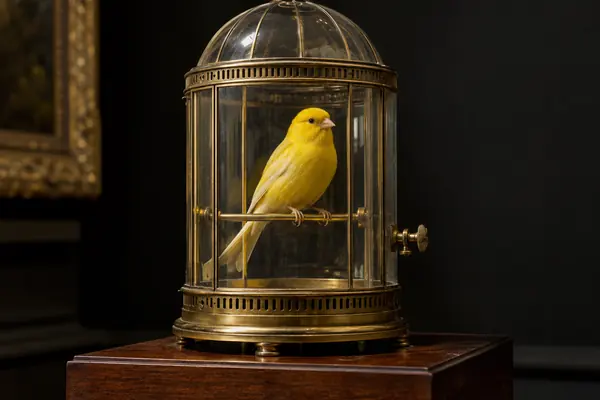
Canaries are small and portable and breathe heavily, needing a lot of oxygen. Toxic gases circulate quickly through their bodies, so they show symptoms before gas reaches levels critical for people.
When did British mines stop using canaries?
Britain officially outlawed canaries in coal mines in December 1986. Electronic gas detectors with digital readings replaced them.
How does a miner's safety lamp work?
Metal gauze surrounds the flame. A flame reaching the gauze fails to pass through, so the gas outside is not ignited. Firedamp drawn into the lamp makes the flame burn brighter.
What is firedamp?
A mine gas that is mostly methane. It explodes when its concentration reaches 5% to 15%, and at 25% it can cause asphyxiation.
What was a canary resuscitator?
A metal-and-glass cage with a vent. When a canary fell, a miner sealed the cage and released oxygen from an attached tank while workers evacuated.